Native American Tumbler Wrap Design Review
First Impressions of Native American Tumbler Wrap Photo Jpg
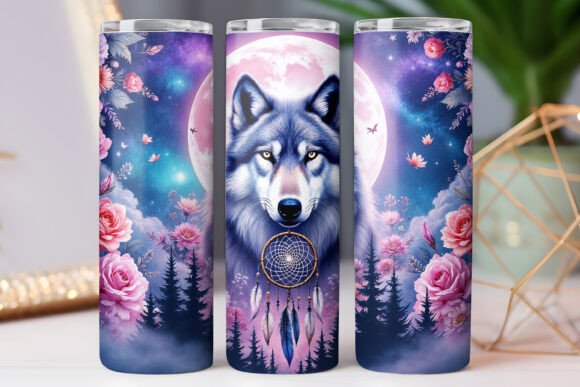
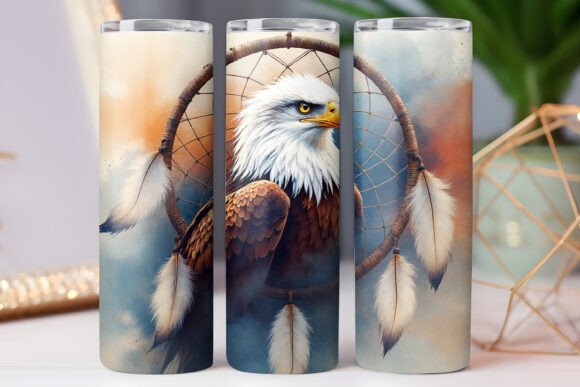
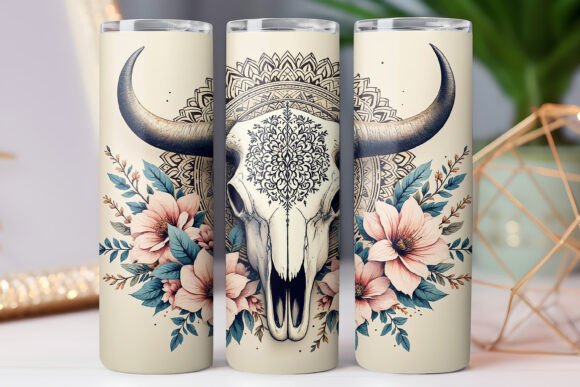
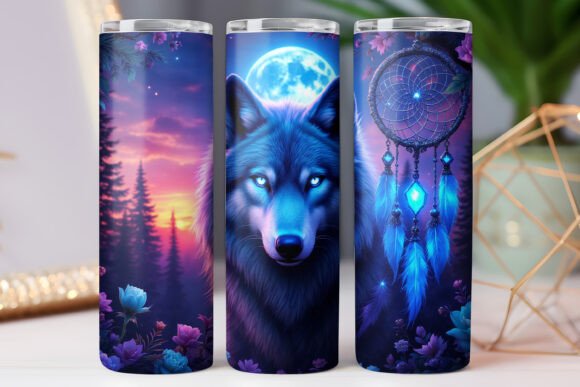
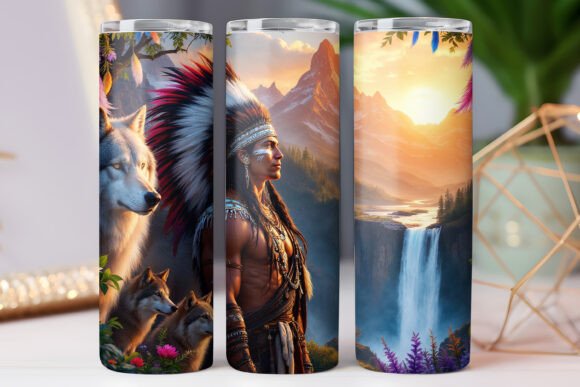
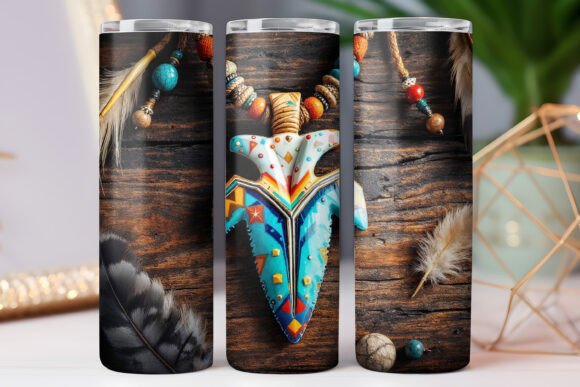
When I first opened the Native American Tumbler Wrap Photo Jpg, I was immediately drawn to its visual storytelling. The design carries a strong cultural theme with intricate details that seem to capture the essence of Native American artistry. It's not just a graphic—it feels like a piece of heritage, carefully composed for sublimation use on tumblers. The layout is clean and centered, with a focus on bold patterns that stand out well against darker backgrounds.
The mood it creates is both respectful and artistic, making it a great fit for products that aim to celebrate culture or offer unique handmade touches. The level of detail is impressive for a digital file, and I can see how it would translate well into embroidery if adapted properly. However, since this is a PNG file meant for sublimation only, it’s important to note that it’s not an SVG and won’t work directly in embroidery software without conversion.
Real-Life Use: Custom Embroidered Tote Bag Scenario
Let me imagine using this design in a real-life scenario—say, creating a custom embroidered tote bag for a boutique or small shop. If I were to convert the Native American Tumbler Wrap Photo Jpg into an embroidery file, I’d need to consider how the elements will stitch. The main motif is large enough to be eye-catching but could become overwhelming on smaller items like patches or caps.
I'd start by testing the design on scrap fabric to see how the thread colors contrast with different backgrounds. For a tote bag, a dark fabric would make the design pop more, while a light fabric might require adjusting the stitch density or using a stabilizer to prevent distortion. The texture of the fabric also plays a role—thicker, sturdier materials would handle dense stitching better than thin or stretchy fabrics.
If I were designing a personalized gift, I’d look at how the Native American Tumbler Wrap Photo Jpg interacts with other elements. Would it work as a central feature on a sweatshirt? Maybe. But on a baby item, the intricate details might be too complex. It’s a design that needs careful placement and consideration of the final product’s purpose.
Where This Design Shines and Where to Be Cautious
The Native American Tumbler Wrap Photo Jpg is ideal for larger embroidery projects such as tote bags, aprons, pillow covers, or even decorative wall hangings. These items allow the design to breathe and showcase its full detail without being cramped. The pattern has a good balance between bold elements and subtle textures, which makes it versatile for various fabric types and garment styles.
However, I’d be cautious about using it on small hoop sizes or curved surfaces like caps and hats. The design’s complexity may not translate well to tiny areas, and the stitching could look cluttered. Also, on stretchy or thin fabrics, the design might distort unless a proper stabilizer is used. Darker fabrics are a safer bet for maintaining clarity, especially if the original design has lighter tones.
For commercial embroidery projects, I’d recommend checking the licensing terms before selling any finished products or digital versions. Since this is a digital design for sublimation only, there may be restrictions on its use for embroidery purposes. Always confirm the rights and permissions before incorporating it into your craft business or Etsy listings.
Design Impact on Visual Appeal and Customer Perception
The Native American Tumbler Wrap Photo Jpg has a clear impact on the visual appeal of any project it’s applied to. Its cultural relevance adds depth and meaning, which can increase customer interest and engagement. When used correctly, it elevates the perceived value of a handmade product, making it feel more intentional and professional.
For a small shop product or holiday gift, the design can create a memorable impression. Customers often appreciate thoughtful details, and this design offers that. It can help build brand consistency for an Etsy seller or craft fair vendor who wants to maintain a cohesive theme across their merchandise.
On the flip side, if the design is poorly executed or mismatched with the product, it could lead to confusion or even backlash. That’s why testing it on fabric and reviewing stitch density is crucial. A poorly stitched version of this design might appear messy or unprofessional, which could hurt customer trust and reduce repeat sales.
Practical Embroidery Designer Notes
If you’re considering using the Native American Tumbler Wrap Photo Jpg in your embroidery projects, here are a few practical steps to follow:
- Test on scrap fabric: Always test the design before committing to a finished product. This helps identify potential issues with stitch density or fabric compatibility.
- Check thread color contrast: Ensure the thread colors match the design’s intended palette, especially when using dark or light fabric backgrounds.
- Review stitch density: Adjust the stitch count based on the fabric type and desired outcome. Too dense, and the fabric might pucker; too sparse, and the design may lack definition.
- Confirm hoop size: Make sure the hoop size matches the design dimensions to avoid stretching or distorting the image.
- Inspect small details: Zoom in on the design to check for tiny elements that might be lost during stitching.
- Test in black and white mockups: This helps determine how the design will look in different lighting conditions and on various fabrics.
- Use proper stabilizer: Especially important for thin or stretchy fabrics, a good stabilizer ensures the design stays crisp and doesn’t shift during stitching.
- Confirm licensing: Before selling any finished products or digital versions, ensure you have the right to do so.
Whether you're an Etsy seller, a hobbyist, or running a small craft business, the Native American Tumbler Wrap Photo Jpg can be a valuable asset if used thoughtfully. It brings a unique cultural touch to your embroidery projects and can help set your handmade products apart from the rest. Just remember to approach it with care, testing and adjusting as needed to achieve the best results.